Minor lesson
Names of Genesis 5
Ten names from Adam to Noah that already speak the gospel — God does not change, and there was only one plan.
September 20, 2026
This is one of my favorite passages in the Bible. It is a genealogy. Ten names. A refrain of death. And if you listen to what those names mean, it already says the gospel.
It shows that God does not change. There was only one plan. Not a plan that failed in the garden and another that started at the cross. The same God who formed Adam already knew what sin would cost, and already knew what He would do about it.
Moses wrote this long before anyone used the word Christian, long before Rome had a cross as an execution, long before Bethlehem had a manger in the story. The basic Christian gospel — God coming down, teaching, dying, bringing comfort to the despairing — is sitting in the first book of the Bible, in a list of names.
01 · The first four
The curse, in names
Each block is a name you can look up later. The face, the Hebrew, and the cluster of English ideas sit on the card. Nothing underneath is open until you want it. Open Meaning, Debate, Scripture, or Life when you want the closer look, and close it again when you are done reading. You can go on without them. The lesson below already says the line.
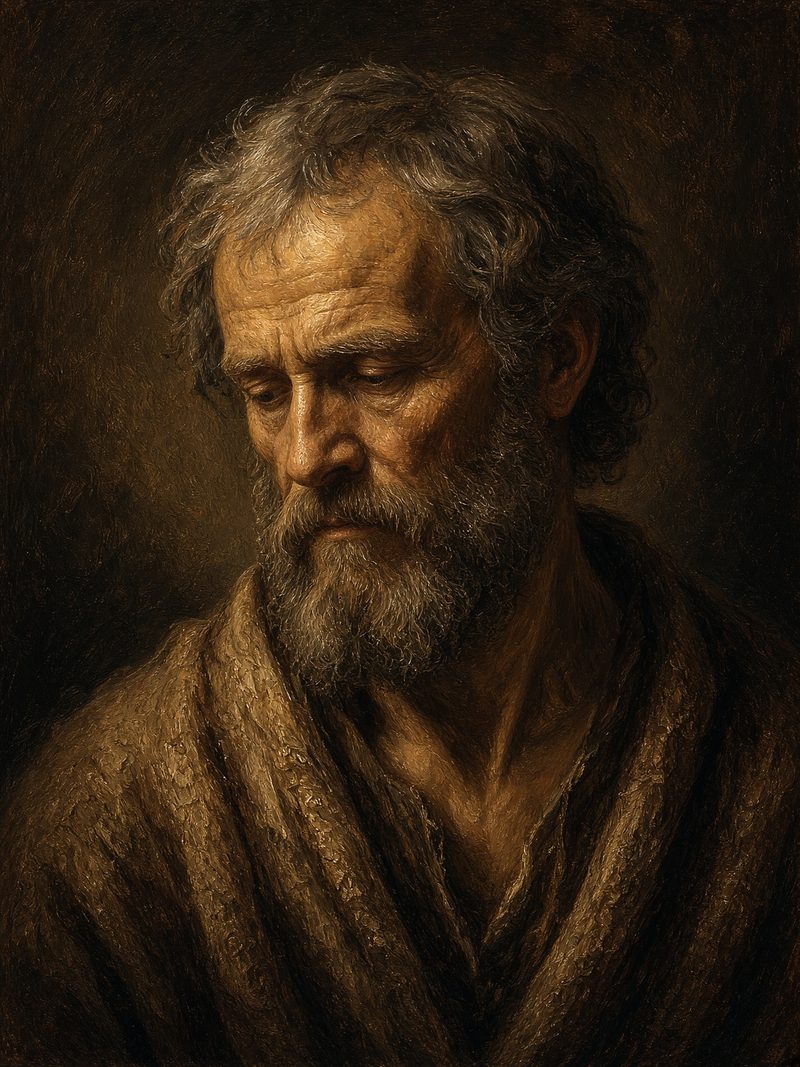
Adam
אָדָם·ʾĀdām
man · mankind · human · from the ground

Seth
שֵׁת·Shēth
appointed · brought · granted · placed

Enosh
אֱנוֹשׁ·ʾĔnōsh
mortal · mortality · frail · weak
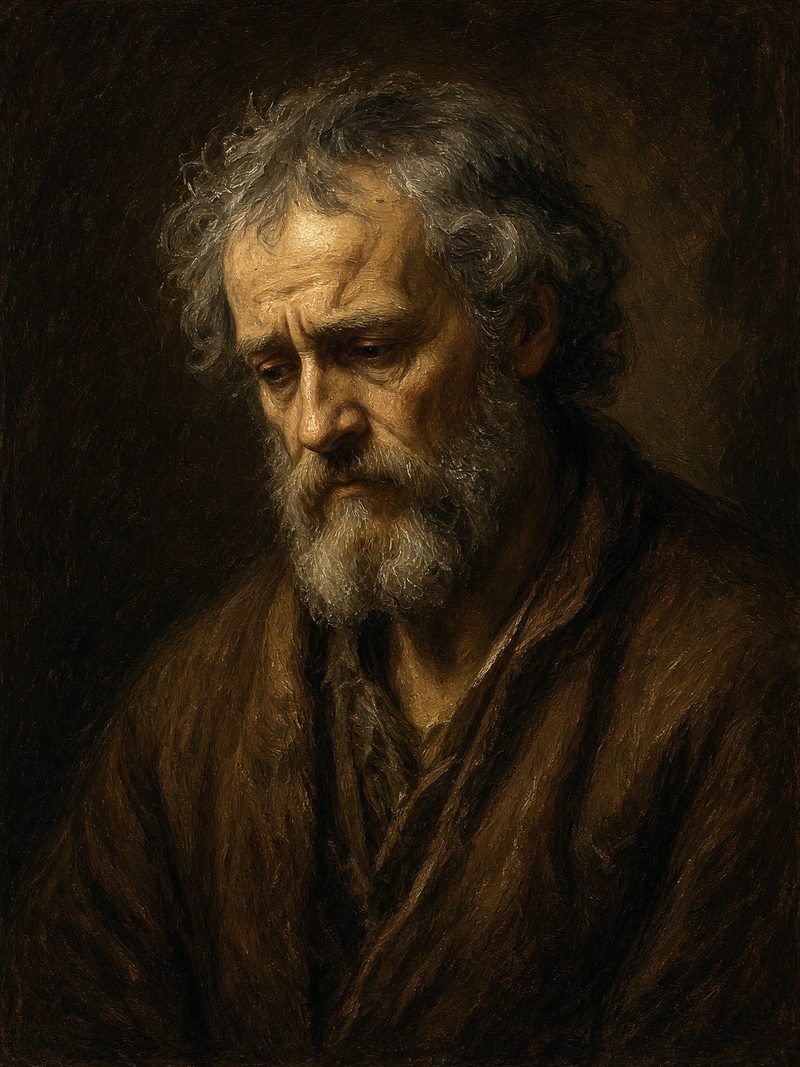
Kenan
קֵינָן·Qēnān
sorrow · lament
Mortality and sorrow were not surprises
When sin entered the world, the curse was not a mood. It was death, pain, toil, thorns, dust. Genesis 3 is not subtle. The woman would bring forth children in pain. The man would eat bread in the sweat of his face. The ground would fight him. And the last word of the garden sentence is the one Enosh will wear as a name: for dust you are, and to dust you shall return.
“By the sweat of your brow you will eat your bread, until you return to the ground—because out of it were you taken. For dust you are, and to dust you shall return.”Genesis 3:19
Chapter 4 does not wait long to show what that looks like in a family. A brother’s blood. Grief that has a body. Sorrow is already in the story before Kenan’s name is written.
So the first four names are not a code we have to smuggle into Moses. They remember what the initial text already said. Man. Appointed. Mortality. And sorrow. The and is only there so English can breathe. The four names are the curse in miniature.
02 · The rest of the line
The promise, in names
The line does not stay in the curse. The next name has God in it. Same faces. Same invitation to look closer, especially where the Hebrew is debated.
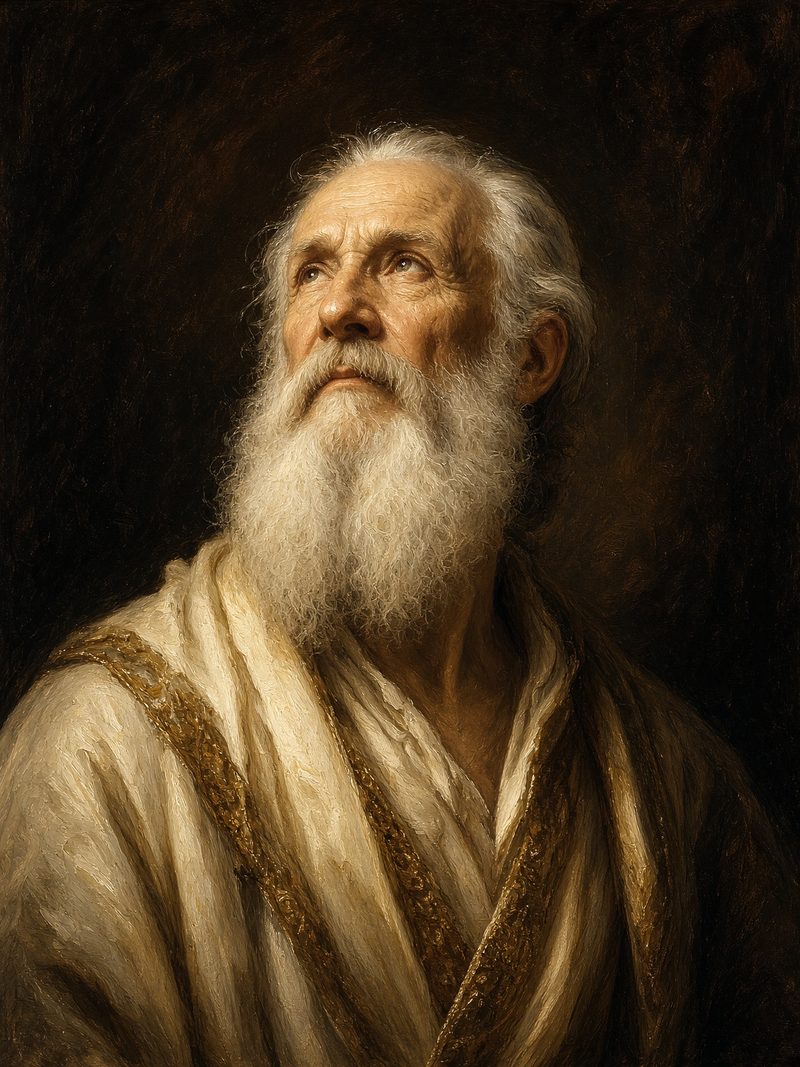
Mahalalel
מַהֲלַלְאֵל·Mahălalʾēl
the blessed God · praise of God · God be praised
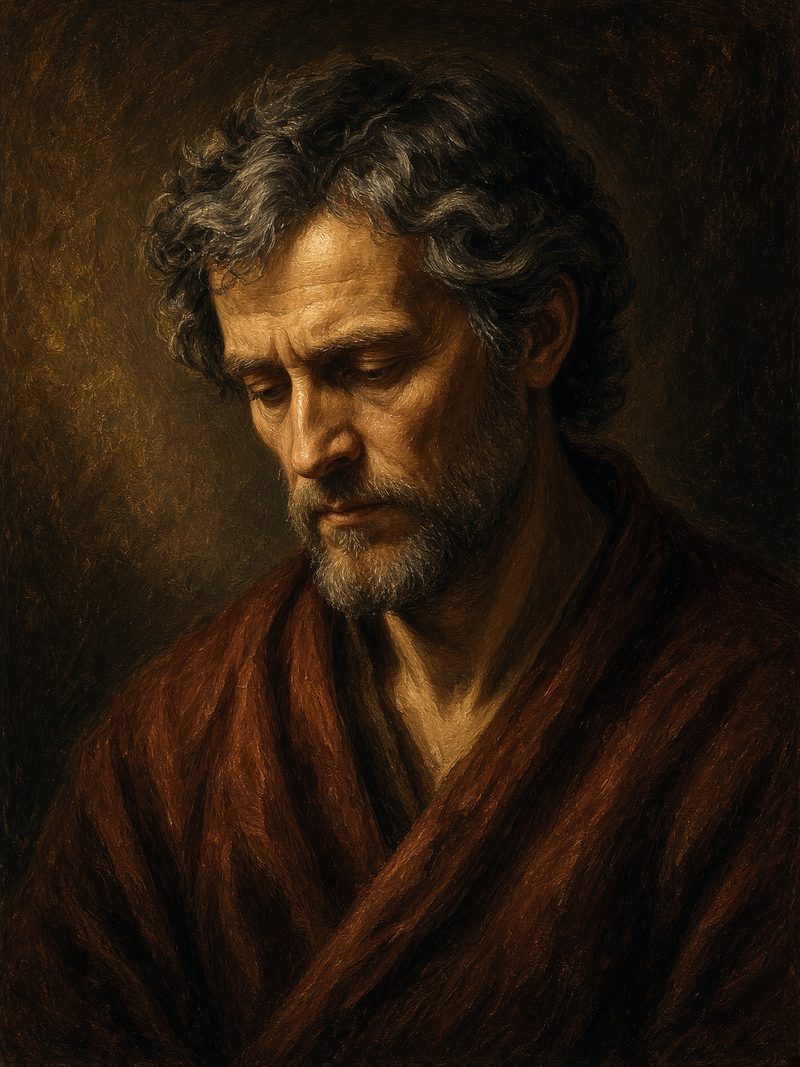
Jared
יֶרֶד·Yered
shall come down · descent · he descends
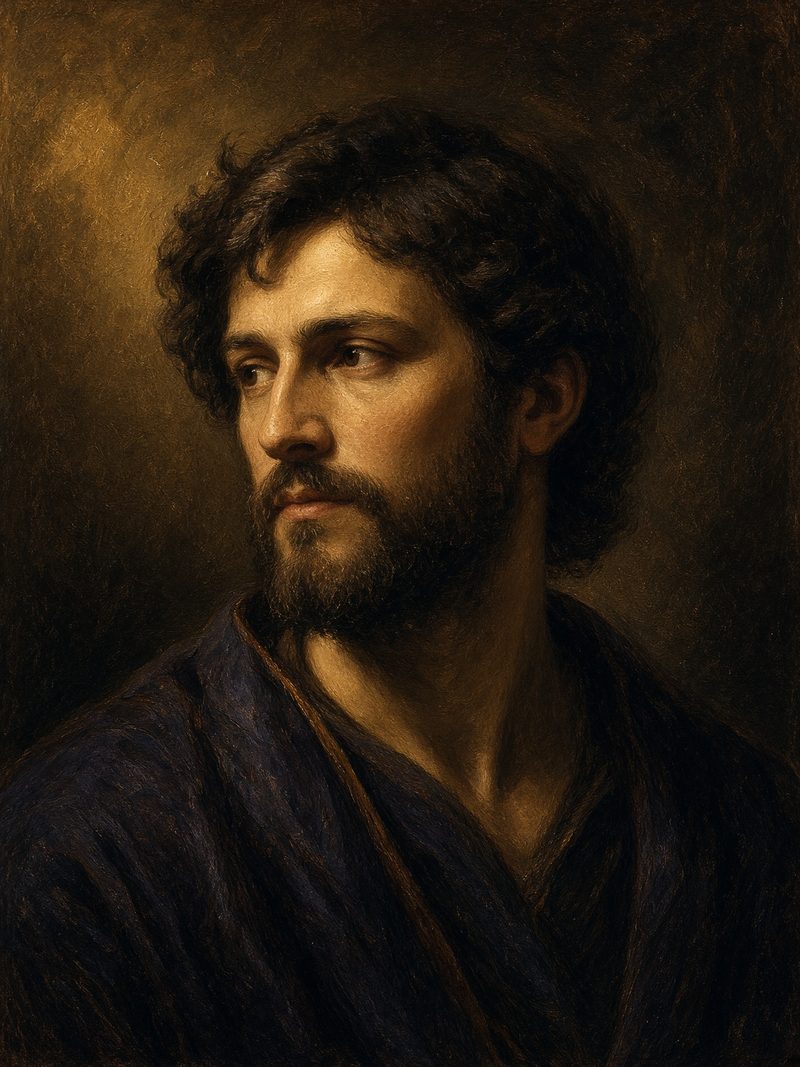
Enoch
חֲנוֹךְ·Ḥănōkh
teaching · training · dedicated · trained

Methuselah
מְתוּשֶׁלַח·Məthūshelaḥ
his death shall bring · when he dies, it is sent · man of the spear

Lamech
לֶמֶךְ·Lemekh
the despairing · made low · strength · powerful
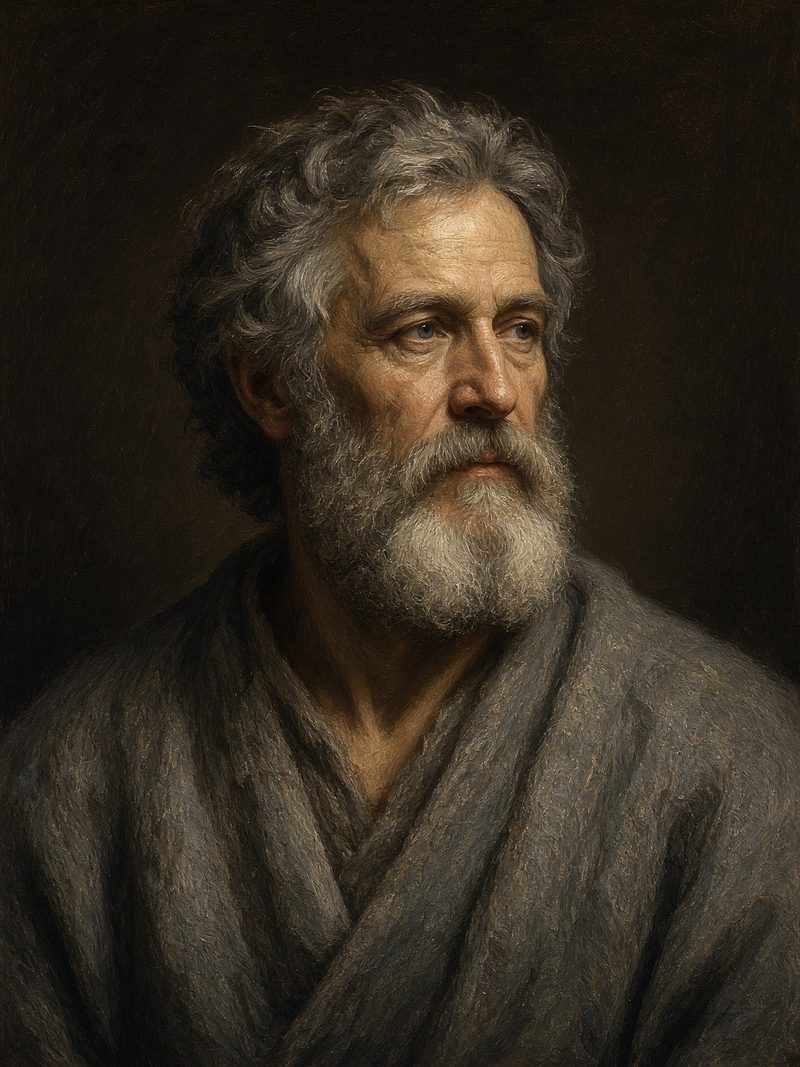
Noah
נֹחַ·Nōaḥ
comfort · rest · relief
Faces sit with the names. Names sit above the word they carry. Added words are only there so the English can be read aloud. They are not in any name.
How the rest of Scripture keeps saying this
After sorrow, the genealogy names the Blessed God. Then descent. Then teaching. Then a death that brings something. Then the despairing. Then comfort. That is not a later church slogan pasted onto Moses. It is what the names say, and it is what the rest of Scripture keeps saying.
“The Word became flesh and made His dwelling among us. We have seen His glory, the glory of the one and only Son from the Father, full of grace and truth.”John 1:14
He came down. Jared’s verb is ordinary Hebrew. John’s claim is that the One who came down is the Word who was with God and was God. Philippians says the same movement: He emptied Himself, taking the form of a servant, being born in the likeness of men.
He taught — or, if you want the plainer gloss of the same Hebrew, he trained. Enoch’s name is one root, not a fight between two words. Chanak is dedicate, inaugurate, train up. Teaching is how that work sounds in a sentence. He walked with God, and he trained the people who would hear him. The Gospels are not a different God finally deciding to speak. They are the Blessed God, come down, teaching.
His death shall bring. This is the name I trust most in the list, not the one I have to prop up. The letters מתושלח can be heard as death plus send, or as man of the spear. Same spelling. What settles a heteronym is sound and context, and a bare name gives you neither — until you look at the life. He dies in the year of the flood. 187 + 182 + 600 = 969. The longest life in the Bible is the length of the wait. Open his card. The argument is the letters and the years, not a mood. The cross is that pattern kept, not invented. A death that actually arrives, and what it brings — to the despairing, or as strength — is comfort.
“Come to Me, all you who are weary and burdened, and I will give you rest.”Matthew 11:28
Lamech is not the name I have to apologize for. The letters do not settle on one English word, and I will not pretend they do. Older name-books said despairing, made low. The line as it was first put together, around 1968, used the other idea: strength. Both make a true sentence, because this is ideas in a row, not a grammar that locks one noun in place. His death shall bring the despairing comfort. His death shall bring strength and comfort. This Lamech looks at cursed ground and asks for relief, and he names his son that ask. Noah is rest and comfort — both sounds, not a trick. The ark is one keeping of it. The empty tomb is the keeping that does not flood again. He rose. Comfort is not a softer word for death. It is what stands on the other side of a death that did its work.
03 · The full sentence
God does not change. The plan does not change.
Man appointed mortality and sorrow, but the blessed God shall come down teaching that his death shall bring the despairing comfort.
Man appointed mortality and sorrow, but the blessed God shall come down teaching that his death shall bring the despairing comfort.
Put the two halves together and you do not get a clever trick. You get a God who does not change, and a plan that does not change. He knew before the beginning what would happen. He knew what His solution would be: to become a man, to live as one of us, and to die a death we deserved — a horrible death, the kind of death that belongs to the curse the first four names already named.
The rest of the sentence is the rest He actually gives. He rose again, bringing comfort to those who put their faith in Him.
Not only because He loved “us” as a crowd. Think of it this way. Because He loved you.
And all of that sits in the first book of the Bible, written by Moses, before the idea of this sacrifice — God Himself, in the flesh, dying and rising — had come to any person’s mind as a hope they could name.
This lesson's home is Sermons and Series.